Guidance compass emblem

Movement with intention

Tai Chi in North Hollywood

Gentle Movement for a Calmer, Steadier You

Authored By: Guidance Recovery NoHo Team

Published: October 29, 2026

Last Updated: November 9, 2026

Thinking tai chi might help you feel more grounded? Give us a call and bring any questions, big or small.

In this article

Thinking about getting help?

From the first call to your first day, our admissions staff will guide you through it.

Key Takeaways

Recovery feels less overwhelming when the body and mind are calm. Tai chi, a mindful martial art, builds that kind of physical and emotional balance, offering both tranquility and strength. Guidance Recovery NoHo makes it part of our holistic approach as a gentle but effective way to ease stress, clear the mind and support overall wellness.

Some clients come to tai chi while healing from addiction, others while managing mental health symptoms or simply wanting more emotional balance. In each case, the practice offers gentle support on the way to lasting recovery.

The Practice of Tai Chi

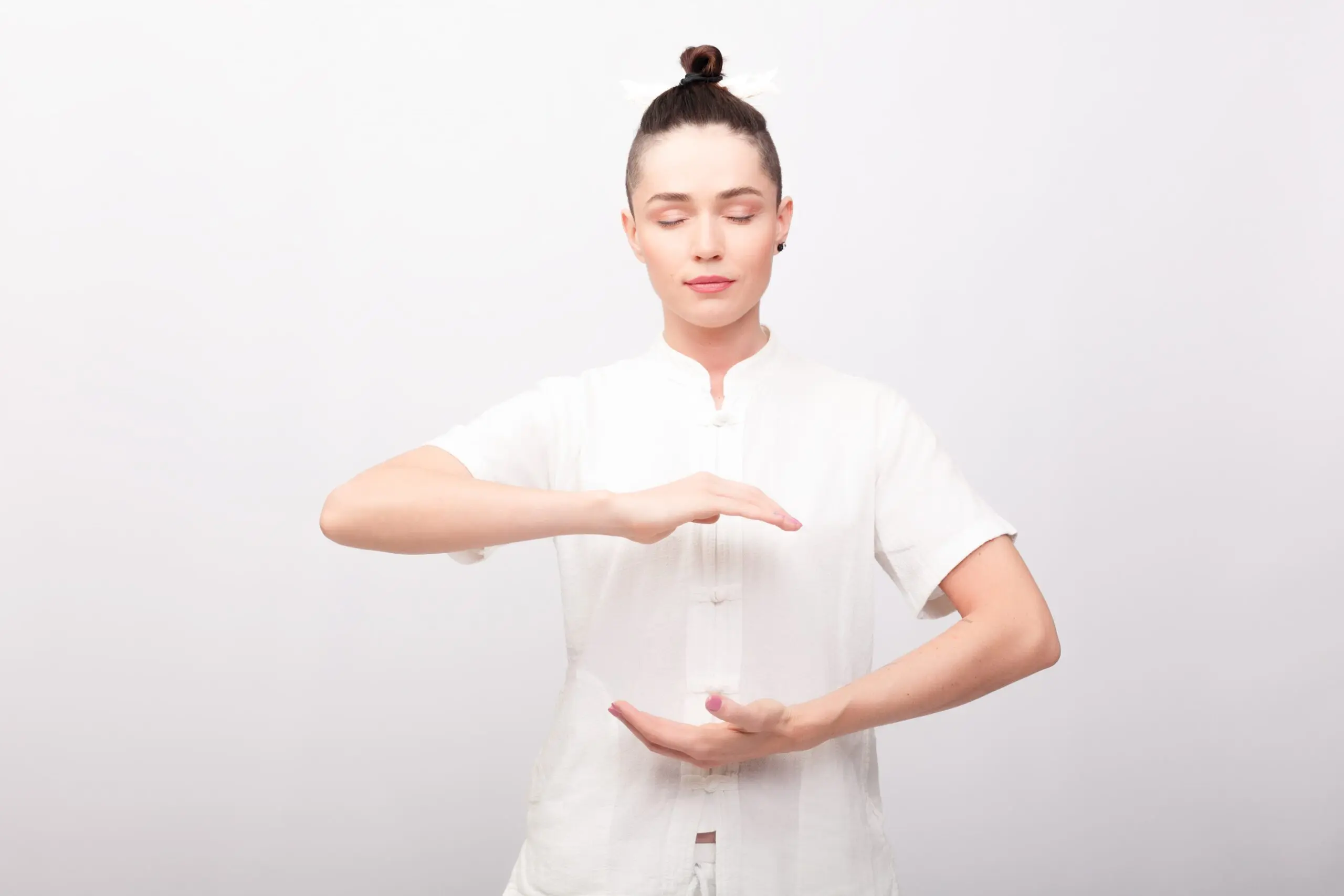
Developed in ancient China and often described as “meditation in motion,” tai chi joins slow, controlled movement with focused breath and concentration. In recovery, it calms the nervous system and reduces stress hormones. Better physical health follows, and emotional stability tends to grow with it.

Studies of regular tai chi practice point to a range of benefits, such as:

Wondering what’s covered?

Not sure where to start? One short, private call with our team can sort out what your plan may cover.

Insurance we accept:

Blue Shield of California
Claritev
Humana
Carelon
BlueCross BlueShield

Tai Chi's Role in Lasting Sobriety

Clients practice tai chi as part of their recovery program, where it supports long-term sobriety along with emotional and physical health. Moving mindfully helps people feel at home in their bodies again and more aware of their feelings, which deepens healing.

Steadiness for Co-Occurring Disorders

For clients with co-occurring disorders, the relaxation and steadiness that come with practice can ease depression and anxiety symptoms.

Present-Moment Awareness

Slow, intentional movement builds mindfulness, helping people stay in the present and resist impulses and cravings.

Rebuilding Physical Health

Practice gradually restores strength, balance and coordination that substance use or mental health struggles may have worn down.

Breath, Movement and Calm

Each unhurried motion is paired with steady breath. Together they quiet racing thoughts, bring stress and anxiety down and help clients stay emotionally balanced as recovery goes on.

Calm Mind, Strong Body

Why Practice Tai Chi With Guidance Recovery NoHo

Recovery holds up best when mind, body and spirit all get attention. That idea shapes our tai chi program at Guidance Recovery NoHo. Experienced instructors lead every class, adding to traditional therapy and giving clients more tools for physical and emotional wellness.

Medical Staff on Hand Day and Night
Clinicians are available 24/7 to keep an eye on your health and step in with care when needed.

Therapy and Peer Support
From the start of recovery, you can take part in counseling, group work or mentoring with peers.

A Comfortable Setting
Amenities chosen to ease stress, encourage relaxation and protect your dignity at every stage.

Nutrition and Healthy Habits
Nourishing meals and guidance on physical health help you keep balanced eating and positive routines through detox and after.

Woman on a laptop reaching out for support

Reach out any time

Uncertain is a fine place to start.

Say what’s weighing on you. We’ll listen, lay out the choices available and move forward only as quickly as you want.

Confidential, free, and no commitment.